History & Characteristics
The Shiba Inu is Japan’s smallest and most ancient native breed, with archaeological evidence suggesting that dogs remarkably similar to today’s Shiba have lived alongside humans on the Japanese archipelago for at least 3,000 years — and possibly as far back as the Jomon period (roughly 14,000–300 BCE). The name “Shiba” is commonly interpreted to mean either “small” or “brushwood,” possibly referencing the dense shrubby terrain the breed was originally used to hunt small game through.
Six native Japanese breeds exist, and the Shiba Inu was designated a National Natural Monument in 1936. The breed nearly disappeared during and after World War II due to food shortages and distemper outbreaks, but dedicated conservation efforts using three surviving regional bloodlines — the Shinshu, Mino, and San’in Shiba — rebuilt the population we know today.
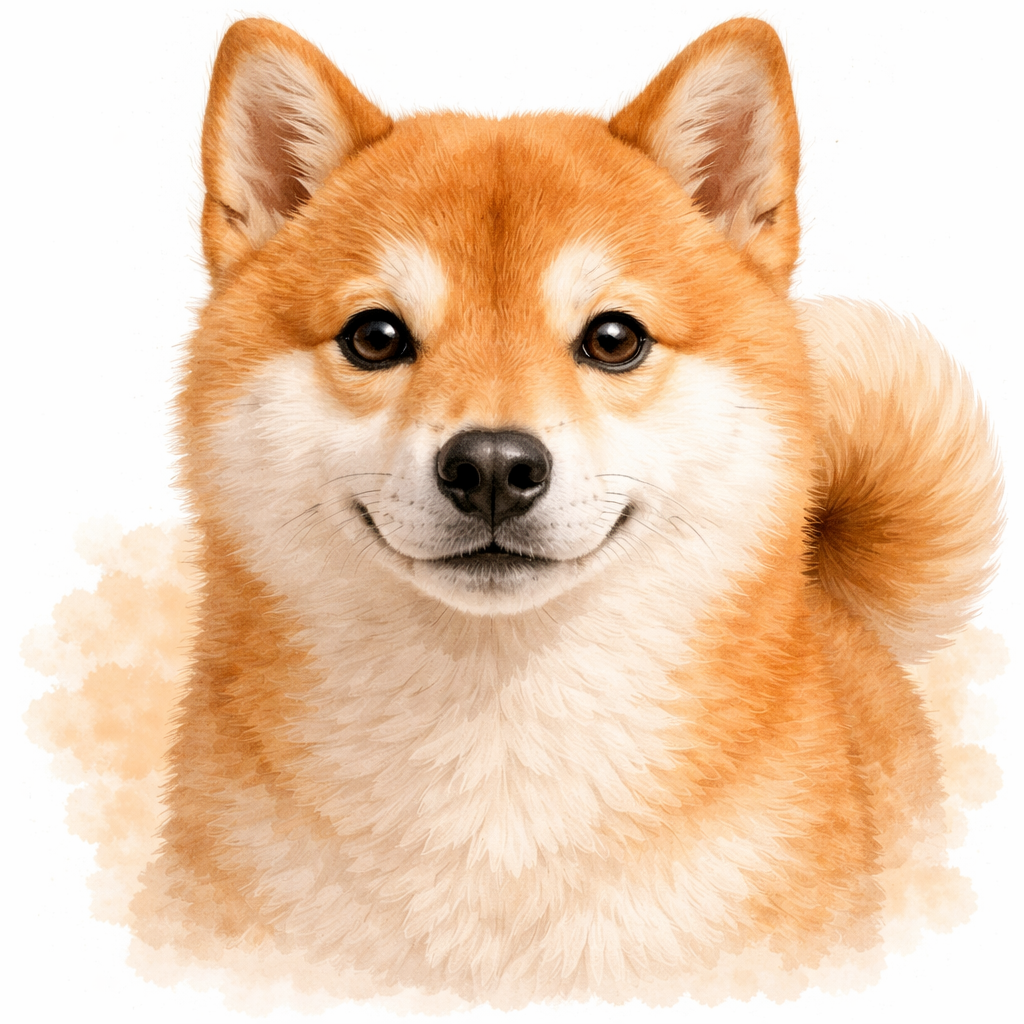
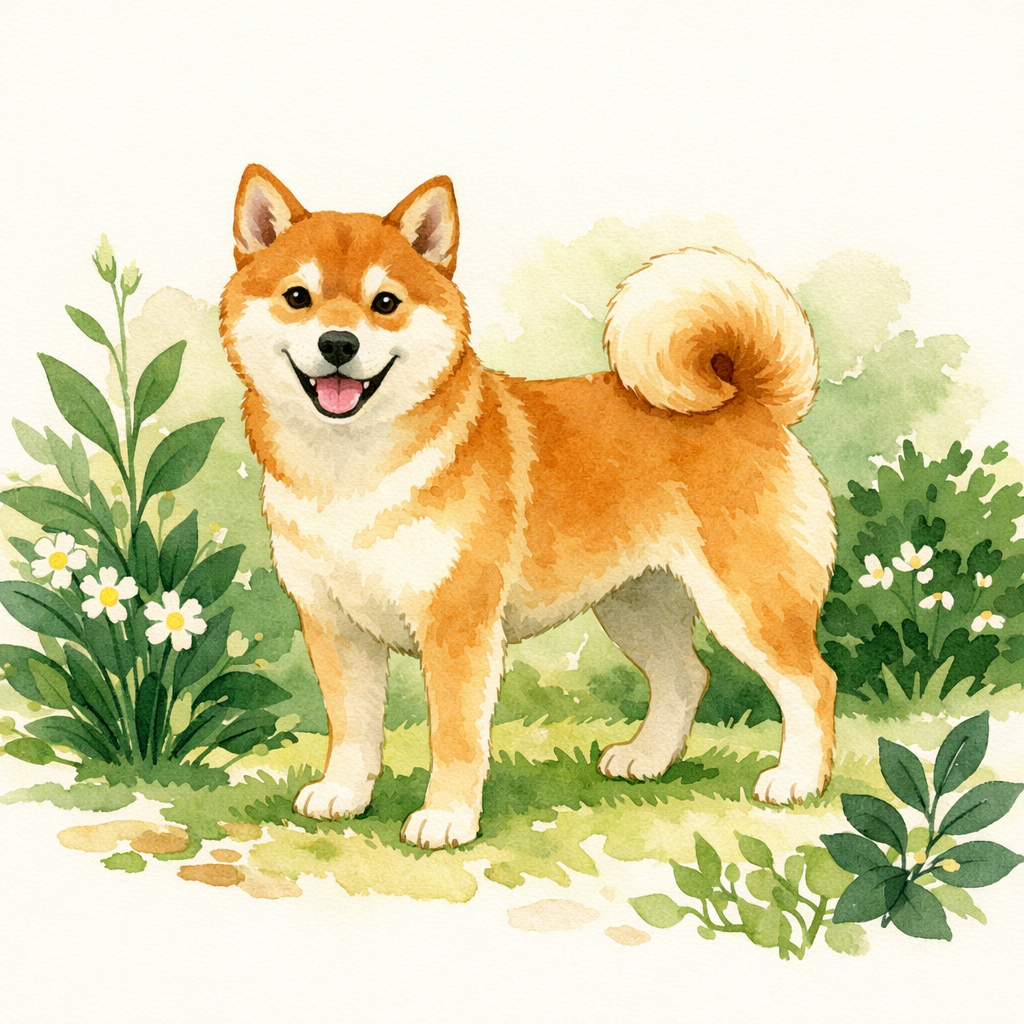
According to the AKC breed standard (the Shiba was admitted to the AKC Miscellaneous Class in 1993 and fully recognized in 1997), Shibas are compact, well-muscled dogs weighing 17–23 lbs (roughly 8–10 kg for females, up to 11–12 kg for males), with a bold, confident bearing. The hallmark physical traits include prick ears, a plush double coat, and a tightly curled or sickle tail carried over the back. The four accepted colors are red (the most common and celebrated), black-and-tan, sesame, and cream.
The Shiba’s internet fame — particularly the “Doge” meme — has brought the breed unprecedented global attention in the 21st century, driving demand well beyond Japan. This popularity surge has made responsible breeder selection more important than ever, as poorly socialized or badly bred Shibas can exhibit serious behavioral problems.
Temperament & Personality
The AKC standard describes the Shiba Inu’s ideal temperament as a combination of three Japanese concepts: kan-i (spirited boldness), ryosei (good nature), and soboku (artless honesty). In practice, this translates to a dog that is confident, self-possessed, and deeply loyal to its family — but decidedly not a pushover.
Shibas are often described as “cat-like” in their independence. They are highly intelligent but selectively obedient: a Shiba will comply with a command when it makes sense to them, and may simply ignore the same request on a different day. This is not defiance in the way a stubborn dog might dig in — it is closer to the quiet self-determination of a confident dog who has its own agenda. Positive reinforcement, particularly high-value food rewards, is by far the most effective training approach.
The breed’s strong territorial instinct makes it an excellent watchdog. Shibas are typically reserved with strangers and will alert owners to anything unusual on their territory. Same-sex dog aggression is common, especially in males, and Shibas should be carefully introduced to other dogs. Their high prey drive means off-leash recalls in unenclosed spaces are unreliable — a Shiba that spots a squirrel may simply not come back.
Families with children should note that Shibas generally tolerate rather than seek out rough play. They dislike being grabbed or restrained and may communicate discomfort through what is sometimes called the “Shiba scream” — a loud, dramatic vocalization when upset. Early socialization and teaching children how to interact respectfully with the dog are essential.
Health & Lifespan
The Shiba Inu is one of the longer-lived medium-sized breeds, with a typical lifespan of 12 to 16 years. Their hardy constitution, honed over millennia of semi-feral existence in mountainous Japan, contributes to this resilience.
Allergic Dermatitis is the most prevalent health concern in the breed. Shibas are genetically predisposed to atopic (environmental allergy) skin disease, and food allergies are also relatively common. Symptoms include chronic itching, recurrent ear infections, paw licking, and skin redness. Management typically involves identifying and avoiding triggers, supporting the skin barrier with omega-3 fatty acid supplementation, and using veterinarian-prescribed medications as needed. Many Shiba owners find that limited-ingredient, grain-free diets reduce symptom frequency, though this should be discussed with a vet.
Glaucoma poses a serious risk in the breed. Unlike some hereditary eye conditions that are stable, glaucoma is an emergency: untreated elevated eye pressure can cause permanent vision loss within 24–48 hours. Any Shiba exhibiting redness, cloudiness, excessive tearing, or apparent eye pain should be seen by a veterinarian immediately. Annual intraocular pressure screening is a worthwhile preventive measure.
Patellar Luxation is manageable with weight control and a non-slip home environment. High-impact activities such as repeated jumping from furniture should be minimized.
In senior Shibas (generally 8 years and older), cognitive dysfunction syndrome (canine dementia) is reported at higher rates than in many other breeds. Symptoms include nighttime restlessness, house-training regression, disorientation, and decreased interaction. Diets rich in DHA/EPA and antioxidants, along with puzzle toys to keep the mind active, may help delay onset. Twice-yearly veterinary visits starting around age 7 allow for early detection of age-related changes.
Daily exercise (two walks totaling 45–60 minutes is typical), regular coat brushing — especially during the heavy biannual shed — and consistent dental care round out the Shiba’s maintenance needs. With a knowledgeable, patient owner who respects their independent spirit, the Shiba Inu is a uniquely rewarding companion.
Frequently Asked Questions
Q: What is the average lifespan of a Shiba Inu?
The Shiba Inu has an average lifespan of 12–16 years, with a median around 14.8 years — one of the longest lifespans of any medium-sized breed. This hardy Japanese breed benefits from consistent exercise, dental care, and biannual veterinary checkups starting around age 7 to catch age-related changes early.
Q: Is a Shiba Inu good for first-time owners?
The Shiba Inu is generally not recommended for first-time owners because of its strong-willed, independent, and sometimes cat-like personality. The breed requires patient, consistent training and early socialization — those who invest the effort will be rewarded with a deeply loyal companion, but the Shiba is less forgiving of inconsistent handling than many other breeds.
Q: How much does it cost to own a Shiba Inu per month?
Owning a Shiba Inu typically costs $85–145 per month. Budget roughly $35–55 for food, $30–50 for pet insurance, and $20–40 for supplies and grooming. The breed’s heavy biannual coat blows may require professional deshedding sessions that add to grooming costs twice a year.