History & Characteristics
The Beagle is one of the oldest and most globally recognized scent hounds, with roots reaching back to ancient Britain and, by some accounts, to hunting hounds in ancient Greece. The modern Beagle as we know it began to take shape in England during the 1500s, developed from a combination of Southern Hounds and North Country Beagles to produce a compact, merry, and exceptionally keen-nosed rabbit hunter. Queen Elizabeth I reportedly kept a pack of diminutive “pocket Beagles” small enough to fit in a saddlebag.
The breed’s name may derive from the French word “begueule” (meaning open throat, a reference to its baying voice) or from the Celtic “beag” (small). By the mid-19th century, Beagle-type dogs had crossed the Atlantic, and the AKC registered the breed in 1885. The Beagle became enormously popular in the United States, consistently ranking in the top 10 most registered breeds for decades. Today, Beagles are as likely to be found as beloved family pets, detection dogs at airports (the USDA’s “Beagle Brigade” screens agricultural imports), and medical research subjects as they are in the field.
The Beagle is a sturdy, compact, muscular dog weighing 9–14 kg (20–30 lbs). The AKC recognizes two size varieties: those under 13 inches at the shoulder, and those between 13 and 15 inches. The breed’s physical hallmarks include a broad, slightly domed skull, large square-cut muzzle, low-set long ears that frame the face, and a white-tipped tail that was traditionally bred to be visible above cover while the dog tracked. The Beagle’s nose contains an estimated 220 million scent receptors — roughly 44 times the number humans possess — making it one of the most powerful olfactory instruments in the canine world. The coat is dense, short, weather-resistant, and comes most famously in tricolor (black, white, and tan), though lemon and white, red and white, and other hound colorings are also recognized.
Temperament & Personality
The Beagle’s personality is one of its strongest selling points for families. This is a breed built for pack life — bred to work alongside other dogs and humans — and that cooperative, sociable nature transfers naturally to household life. Beagles are genuinely friendly with everyone: adults, children, other dogs, and even strangers who come to the door. They are not guard dogs; they are greeters.
Beagles are curious, cheerful, and fundamentally optimistic. They approach the world nose-first, and a walk with a Beagle is less a stroll than an olfactory expedition. When an interesting scent captures their attention, a Beagle enters a state of hyper-focus that can make recall training one of the greatest ongoing challenges of ownership. This behavior — sometimes called “selective deafness” — is not disobedience but deep instinct. A Beagle following a scent trail is doing exactly what centuries of selective breeding have optimized it to do.
The breed’s voice is another defining characteristic. Beagles are vocal dogs with a full vocal range: from a standard bark to a resonant, melodious bay used historically to signal hunters when quarry was found. Baying can be triggered by boredom, loneliness, excitement, or the detection of an interesting scent, and it can be surprisingly loud and penetrating. This is a significant consideration for apartment dwellers or those in close-knit neighborhoods.
Beagles are notorious food motivators — few breeds have so powerful a relationship with food. This trait makes treat-based training highly effective, but it also means Beagles are skilled counter-surfers and trash-can raiders. Food management in the home (lidded trash cans, secured counters, consistent training) is a practical necessity with this breed.
Health & Lifespan
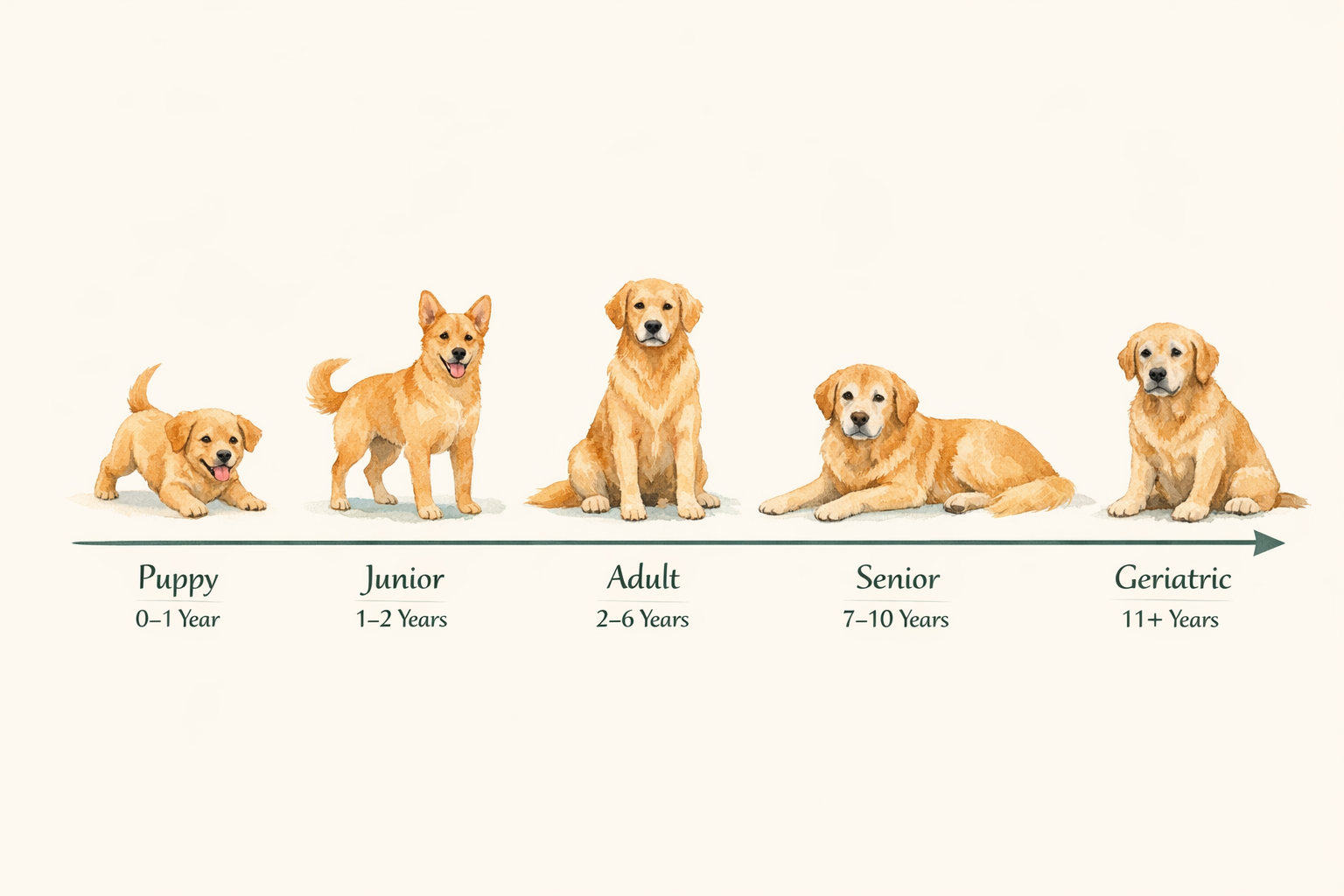
Beagles are considered a robust, generally healthy breed with an average lifespan of 12–15 years, averaging around 13.5 years. They are not a breed plagued by an exhaustive list of serious hereditary conditions, but several health issues appear more frequently in Beagles than in other breeds and warrant awareness from owners.
Intervertebral disc disease (IVDD) affects Beagles at a higher rate than many other medium-sized breeds. Beagles have a slightly elongated body relative to height, placing additional strain on the spinal column. Disc herniation can occur suddenly (acute IVDD) following trauma or more gradually (chronic IVDD) through progressive degeneration. Symptoms range from neck or back pain and reluctance to climb to, in severe cases, partial or complete paralysis. Weight management is the most important preventive strategy. Owners should also use ramps or steps for furniture access, choose leashes and harnesses that don’t stress the neck and spine, and avoid activities involving repeated impact or twisting.
Epilepsy — particularly idiopathic (hereditary) epilepsy — has a documented occurrence in Beagles. The Beagle was one of the first breeds in which an inherited form of epilepsy was studied scientifically. Seizure onset typically occurs between 6 months and 5 years of age. Anti-epileptic medications effectively control seizures in most cases, though treatment is generally lifelong and requires periodic bloodwork to monitor drug levels and organ health.
Hypothyroidism causes the thyroid glands to produce insufficient hormone, slowing metabolism and affecting multiple body systems. Signs develop gradually and include unexplained weight gain, fatigue, a dull coat, skin thickening, and cold intolerance. Diagnosis requires a blood panel measuring thyroid hormone levels. Daily oral thyroid hormone replacement is the standard treatment and restores normal function in most dogs.
Beyond these specific conditions, obesity is arguably the Beagle’s biggest practical health threat. A Beagle’s body eagerly stores calories, and its food obsession makes overfeeding easy to do accidentally. Excess weight worsens the risk of IVDD, joint disease, heart stress, and diabetes. Measuring every meal, strictly limiting treats to training use, and ensuring at least 60 minutes of active exercise daily are the cornerstones of keeping a Beagle in optimal condition.
Frequently Asked Questions
Q: What is the average lifespan of a Beagle?
The Beagle has an average lifespan of 12–15 years, with a median around 13.5 years. Beagles are considered a robust, generally healthy breed, and with consistent exercise, weight management, and regular veterinary care, many live comfortably into their mid-teens.
Q: Is a Beagle good for first-time owners?
The Beagle can be a rewarding choice for first-time owners who enjoy active, social dogs, though the breed’s strong nose-driven independence and vocal baying can be challenging. Consistent leash training, a securely fenced yard, and food management in the home (due to the breed’s notable food drive) are essential habits from day one.
Q: How much does it cost to own a Beagle per month?
Owning a Beagle typically costs $85–145 per month. Budget roughly $35–55 for food, $30–50 for pet insurance, and $20–40 for supplies and routine care. Their natural tendency toward obesity means owners should invest in measured feeding rather than free-feeding to avoid costly weight-related health issues.