History & Characteristics
The Shetland Sheepdog — affectionately known as the Sheltie — traces its origins to the rugged Shetland Islands off the northern coast of Scotland. These islands, battered by North Sea winds and sparse in resources, shaped a dog built for efficiency: small enough to survive on limited rations, yet tireless enough to herd Shetland sheep and ponies across the moorland. The breed’s compact size is a direct adaptation to this harsh environment, where food and space were perpetually scarce.
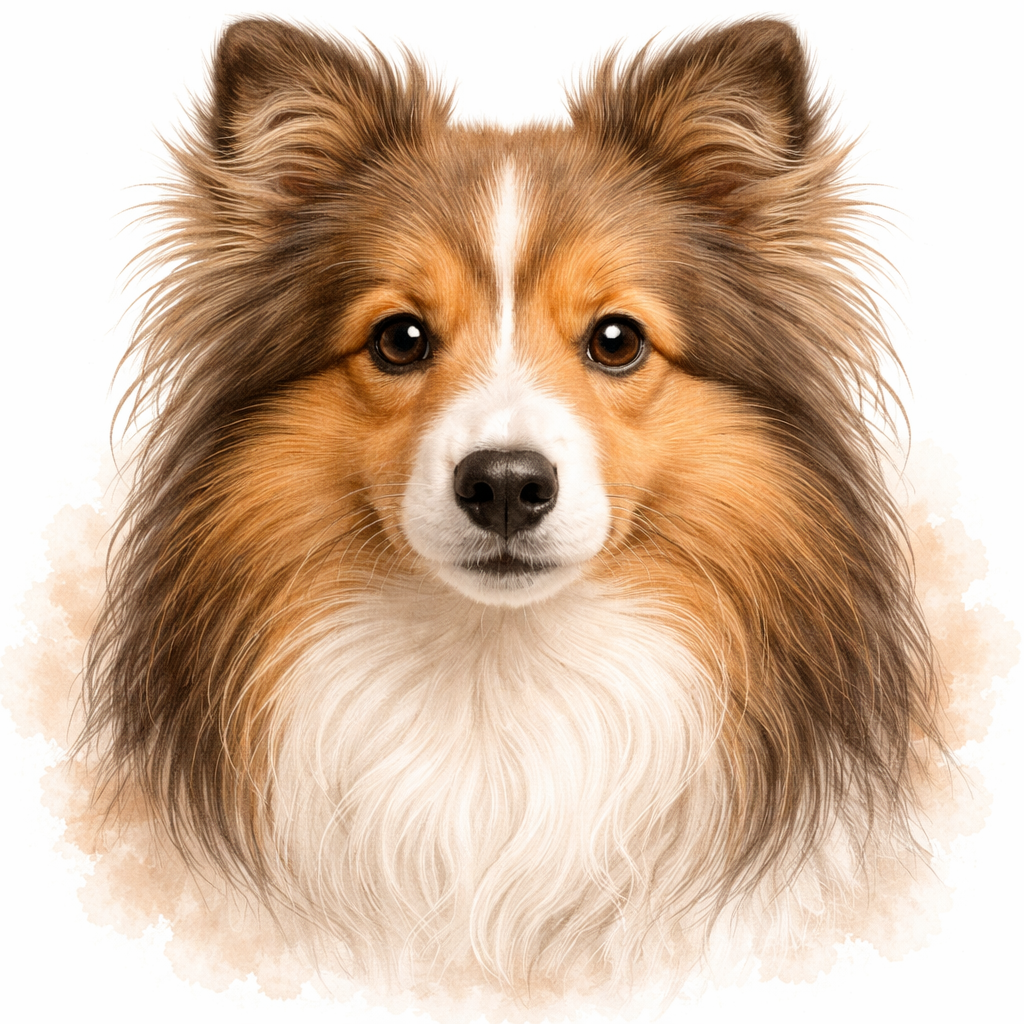
According to the AKC breed standard, Shelties should weigh between 6 and 12 kg (roughly 14–27 lbs) and stand between 13 and 16 inches at the shoulder. Their most striking feature is the abundant double coat — a harsh, straight outer coat with a dense, furry undercoat — which comes in sable, black, and blue merle, all with white or tan markings. The characteristic “tipped ears” (semi-erect with the tips falling forward) and the refined, wedge-shaped head give the Sheltie its elegant, fox-like expression.
Although Shelties bear a strong resemblance to a miniature Rough Collie, the AKC recognizes them as a fully distinct breed. Both share the herding lineage of the Scottish Highlands, but the Sheltie was developed independently in the islands long before formal cross-breeding with Rough Collies occurred in the early 20th century to refine the type.
The Sheltie excels in virtually every canine sport that calls for precision and teamwork. In AKC agility, obedience, and herding trials, Shelties routinely rank among the top competitors regardless of size category. This combination of athletic ability and an almost telepathic connection with their handlers makes them a favorite among sport-dog enthusiasts worldwide.
Temperament & Personality
Shelties consistently rank among the most intelligent dog breeds. In Stanley Coren’s famous ranking of canine intelligence, Shelties place sixth out of all breeds — meaning they typically understand new commands in fewer than five repetitions and obey on the first command over 95% of the time. This exceptional trainability, combined with a genuine eagerness to please, makes them ideal for families who enjoy working closely with their dogs.
Despite their brilliance, Shelties are sensitive souls. They read human body language and vocal tone with remarkable accuracy and can become anxious or shutdown-prone if trained with harsh corrections. The most successful approach is positive reinforcement: rewarding desired behaviors with treats, praise, and play. Consistency and calm energy from the handler yield far better results than frustration or impatience.
Shelties form intense bonds with their immediate family and tend to be reserved — even standoffish — with strangers. This aloofness is a breed characteristic, not a behavioral problem. Once a Sheltie decides to trust someone, that loyalty is unwavering. With children who have been taught to respect dogs, Shelties are affectionate and patient companions. Their herding instinct may occasionally manifest as a tendency to “round up” running children, which can be managed through early training.
One hallmark of the breed is vocality. Shelties communicate through barking — alerting to visitors, unusual sounds, or movement outside the window. While this makes them excellent watchdogs, it can be a challenge in apartment settings. Teaching a reliable “quiet” cue from puppyhood is strongly recommended.
Health & Lifespan
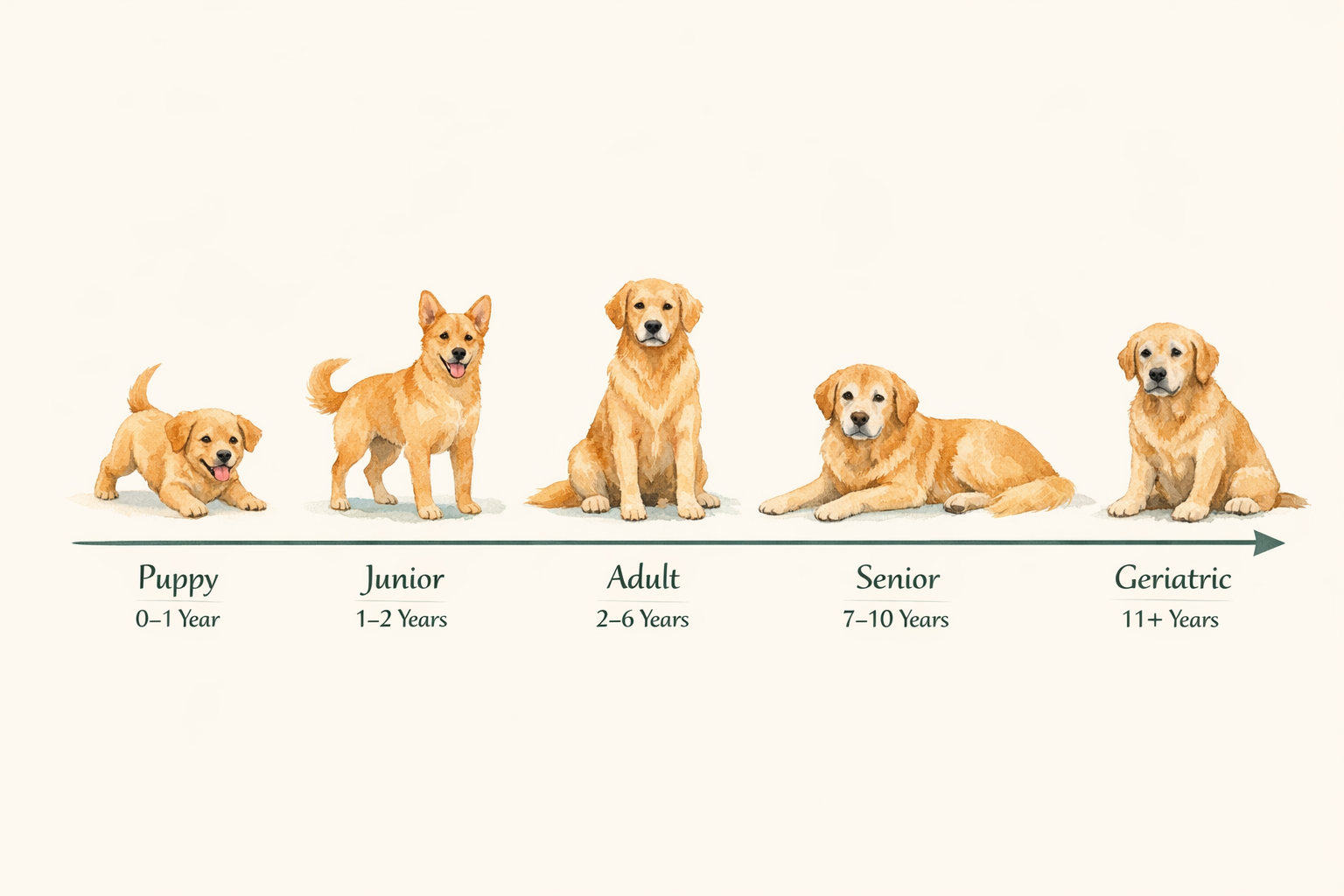
The Shetland Sheepdog has a typical lifespan of 12 to 14 years, with well-cared-for individuals often reaching 15 or older. Like all breeds, Shelties carry certain genetic predispositions that prospective owners should understand.
Collie Eye Anomaly (CEA) is the most significant hereditary concern in the breed. A DNA test is available through the AKC Canine Health Foundation and reputable laboratories; responsible breeders screen all breeding stock before producing a litter. Mild CEA (grade 1 or 2) often has no practical impact on vision, while severe cases can lead to retinal detachment and blindness. Always ask breeders for documented CEA test results when selecting a puppy.
Hypothyroidism tends to emerge in middle age (typically 4–10 years old) and is more common in Shelties than in many other breeds. Symptoms — weight gain, lethargy, skin changes, and heat-seeking behavior — are often gradual and easy to overlook. Annual blood panels that include thyroid function testing are the best way to catch this early. Once diagnosed, daily thyroid supplementation is highly effective and affordable.
Patellar Luxation is common across small dog breeds and Shelties are no exception. Maintaining a healthy body weight reduces mechanical stress on the knee joint considerably. Owners should avoid encouraging high-impact jumping from furniture and ensure indoor flooring provides adequate traction.
An additional concern unique to Shelties and other collie-type breeds is the MDR1 gene mutation (also called the ABCB1 mutation), which causes sensitivity to certain common drugs including ivermectin and some anesthetics. A DNA test for this mutation is widely available and inexpensive. Always inform your veterinarian that your Sheltie may carry this mutation before any procedure or medication.
For long-term wellbeing, Shelties benefit from annual veterinary exams, consistent dental care (small breeds accumulate tartar quickly), and moderate daily exercise — roughly 45 to 60 minutes. Their thick double coat requires brushing two to three times per week during normal seasons and daily attention during the heavy shedding periods of spring and fall. With attentive ownership and proactive health management, the Shetland Sheepdog rewards its family with years of intelligence, devotion, and athleticism in a conveniently compact package.
Frequently Asked Questions
Q: What is the average lifespan of a Shetland Sheepdog?
The Shetland Sheepdog has an average lifespan of 12–14 years, with a median around 13.5 years. With regular veterinary monitoring for Collie Eye Anomaly and Dermatomyositis, MDR1 gene testing, and consistent coat and dental care, many Shelties remain healthy and active well into their teens.
Q: Is a Shetland Sheepdog good for first-time owners?
The Shetland Sheepdog is a good choice for first-time owners who are active and enjoy a highly trainable, loyal companion. The breed excels at obedience and agility, adapts well to family life, and is relatively easy to train — though owners should be prepared for extensive shedding, the herding instinct to bark, and the need for an MDR1 gene test before certain medications are administered.
Q: How much does it cost to own a Shetland Sheepdog per month?
Owning a Shetland Sheepdog typically costs $65–115 per month. Budget roughly $25–40 for food, $25–45 for pet insurance, and $15–30 for supplies and grooming. Regular brushing and occasional professional grooming for the thick double coat are important recurring maintenance costs.