
History & Characteristics
The Chihuahua holds the distinction of being the world’s smallest dog breed, yet carries a personality that far outweighs its tiny frame. Named after the Mexican state of Chihuahua where American travelers first encountered the breed in the mid-19th century, the Chihuahua’s roots stretch back to ancient Mesoamerican civilizations. Archaeologists have found carvings and artifacts depicting small dogs resembling Chihuahuas at Toltec and Aztec sites, suggesting the breed’s ancestors — possibly the “Techichi” — were kept as companions and held spiritual significance.
Following Spanish colonization, the Techichi nearly disappeared from recorded history. The modern Chihuahua reemerged when travelers brought small dogs from the Chihuahua region to the United States in the 1800s. The AKC officially recognized the breed in 1904, and it has since grown into one of the most consistently popular breeds in the United States, regularly placing in the top 30 on annual AKC registration rankings.
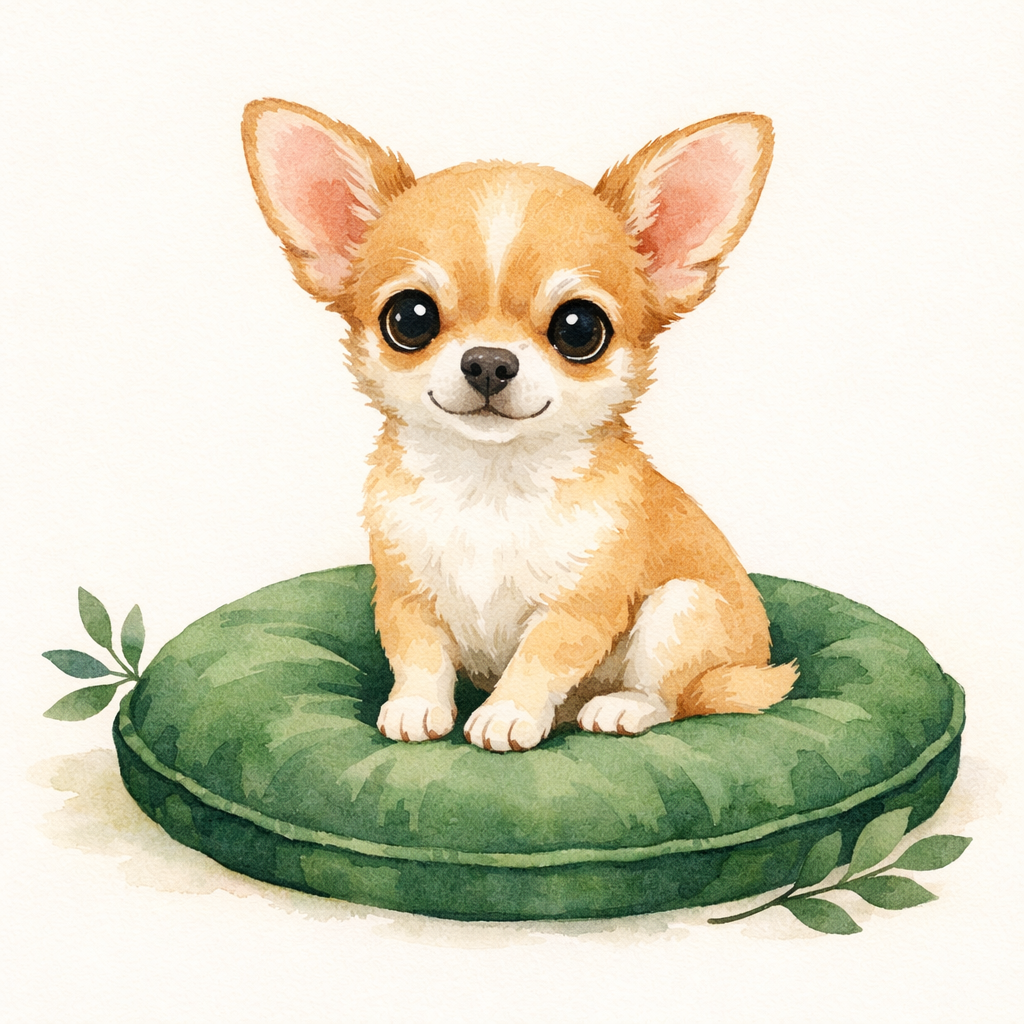
According to AKC breed standards, the Chihuahua’s most defining physical characteristic is its well-rounded “apple dome” skull — a trait that distinguishes it from the longer, deer-shaped head seen in some individuals (though only the apple-head conformation meets the AKC standard). The breed carries large, round, luminous eyes and erect ears that contribute to its famously expressive face. The coat comes in two varieties: smooth coat (short) and long coat, and nearly every color and pattern combination is recognized, from solid black or white to tricolor and merle. Adults typically weigh under 6 pounds (approximately 1.5–3 kg), with the AKC standard noting that no upper weight limit applies to pet-quality dogs, though show dogs are expected to remain under 6 pounds.
One anatomically unique feature is the molera — a soft spot on the skull analogous to a human infant’s fontanelle — which is present in many Chihuahuas and may remain open throughout the dog’s life. This is considered a breed characteristic rather than a defect, but owners should be aware it requires careful handling to prevent head injury.
Temperament & Personality
Despite their pocket-sized stature, Chihuahuas are widely celebrated for their oversized confidence and intense loyalty. The AKC breed standard describes them as “graceful, alert, and swift-moving,” and the breed’s spirited character lives up to that description entirely. Chihuahuas often form an exceptionally deep bond with a single person, earning them the informal title of “one-person dogs.” They are known to follow their chosen person from room to room, preferring physical closeness above almost anything else.
This devotion has a flip side: Chihuahuas can be jealous and territorial, reacting with barking or possessiveness when their person’s attention turns elsewhere. Proper socialization from puppyhood is critical to preventing excessive reactivity toward strangers and other animals. Without consistent exposure to new people, environments, and dogs during the critical window of 3 to 16 weeks, Chihuahuas can develop into anxious, defensive adults who bark excessively and snap at perceived threats.
Chihuahuas are more intelligent than many people assume. They observe their owners carefully and are capable of learning a wide range of commands and tricks. However, they share a terrier-like stubborn streak — they respond well to positive reinforcement using small, high-value treats and praise, but they shut down quickly in response to harsh correction or raised voices.
Their fearlessness is legendary and occasionally problematic. A Chihuahua will readily confront dogs ten times its size, which puts them at risk of injury in dog parks or uncontrolled encounters. Owners must be proactive about managing these interactions. For families with young children, supervision is essential — not because Chihuahuas are inherently dangerous, but because their fragile bones make rough handling a genuine safety concern for the dog.
Training should begin as soon as a Chihuahua puppy arrives home. The “small dog syndrome” — the tendency for owners to excuse problem behaviors simply because the dog is tiny — is the single most common reason Chihuahuas develop persistent barking, snapping, and demanding behaviors. Consistent boundaries, gentle but firm guidance, and early enrollment in puppy classes set the foundation for a well-adjusted companion.
Health & Lifespan
The Chihuahua is one of the longest-lived dog breeds, with an average lifespan of approximately 13.8 years. Many healthy, well-managed individuals reach 15 years or beyond, and lifespans of 17–20 years, while uncommon, are documented. This longevity makes the Chihuahua an exceptionally long-term commitment for prospective owners.
Patellar luxation is the most prevalent orthopedic condition in the breed. The AKC Canine Health Foundation describes it as a displacement of the kneecap that can range from Grade 1 (intermittent, self-correcting) to Grade 4 (permanent dislocation requiring surgery). Symptoms include a characteristic “skipping” gait and occasional crying out in pain. Non-slip flooring, ramps instead of stairs to furniture, and maintaining a lean body weight are the most effective preventive strategies. Glucosamine and chondroitin supplementation may help slow joint degeneration in predisposed individuals.
Tracheal collapse is another condition owners should understand. The tracheal rings weaken over time, producing a characteristic honking cough that often worsens with excitement, exercise, or heat. Harnesses — rather than neck collars — are strongly recommended for all Chihuahuas to eliminate pressure on the trachea during walks.
Hydrocephalus, the abnormal accumulation of cerebrospinal fluid in the brain, occurs at a higher rate in Chihuahuas than in most other breeds due to the apple dome skull structure. Mild cases may go unnoticed, but severe forms present with seizures, abnormal eye movement, or cognitive impairment. Reputable breeders screen breeding stock and avoid producing excessively domed individuals.
Dental health is a serious concern. The Chihuahua’s small jaw packs a full complement of teeth into limited space, making plaque accumulation and periodontal disease nearly inevitable without daily brushing. Retained baby teeth (a failure of puppy teeth to fall out) are common in the breed and should be addressed surgically if they interfere with the adult dentition. Establishing a daily tooth-brushing routine from puppyhood dramatically reduces the need for costly veterinary dental cleanings later in life.
Hypoglycemia (low blood sugar) is a critical risk in Chihuahua puppies and very small adults. Signs include trembling, lethargy, and in severe cases, seizures. Puppies must be fed four to five small meals daily, and a tube of glucose gel or honey should always be on hand as an emergency measure. Managing hypoglycemia risk, protecting against cold exposure, providing anti-slip flooring, and keeping up with veterinary preventive care are the key pillars of keeping a Chihuahua healthy and thriving into old age.
Frequently Asked Questions
Q: What is the average lifespan of a Chihuahua?
The Chihuahua has an average lifespan of 12–20 years, with a median around 13.8 years — one of the longest lifespans of any dog breed. With proper dental care, weight management, protection from cold and injury, and regular veterinary checkups, many Chihuahuas live well into their late teens.
Q: Is a Chihuahua good for first-time owners?
The Chihuahua can be a rewarding choice for first-time owners in the right setting, particularly for those in apartments or without access to large outdoor spaces. However, first-time owners should be aware that Chihuahuas can develop strong-willed personalities and require consistent early socialization to prevent fearfulness or excessive territorial behavior around strangers.
Q: How much does it cost to own a Chihuahua per month?
Owning a Chihuahua typically costs $65–115 per month. Budget roughly $25–40 for food (this tiny breed eats very little), $25–45 for pet insurance, and $15–30 for supplies and dental care products. Daily tooth brushing is essential, making dental supplies a consistent and important ongoing expense for this breed.