
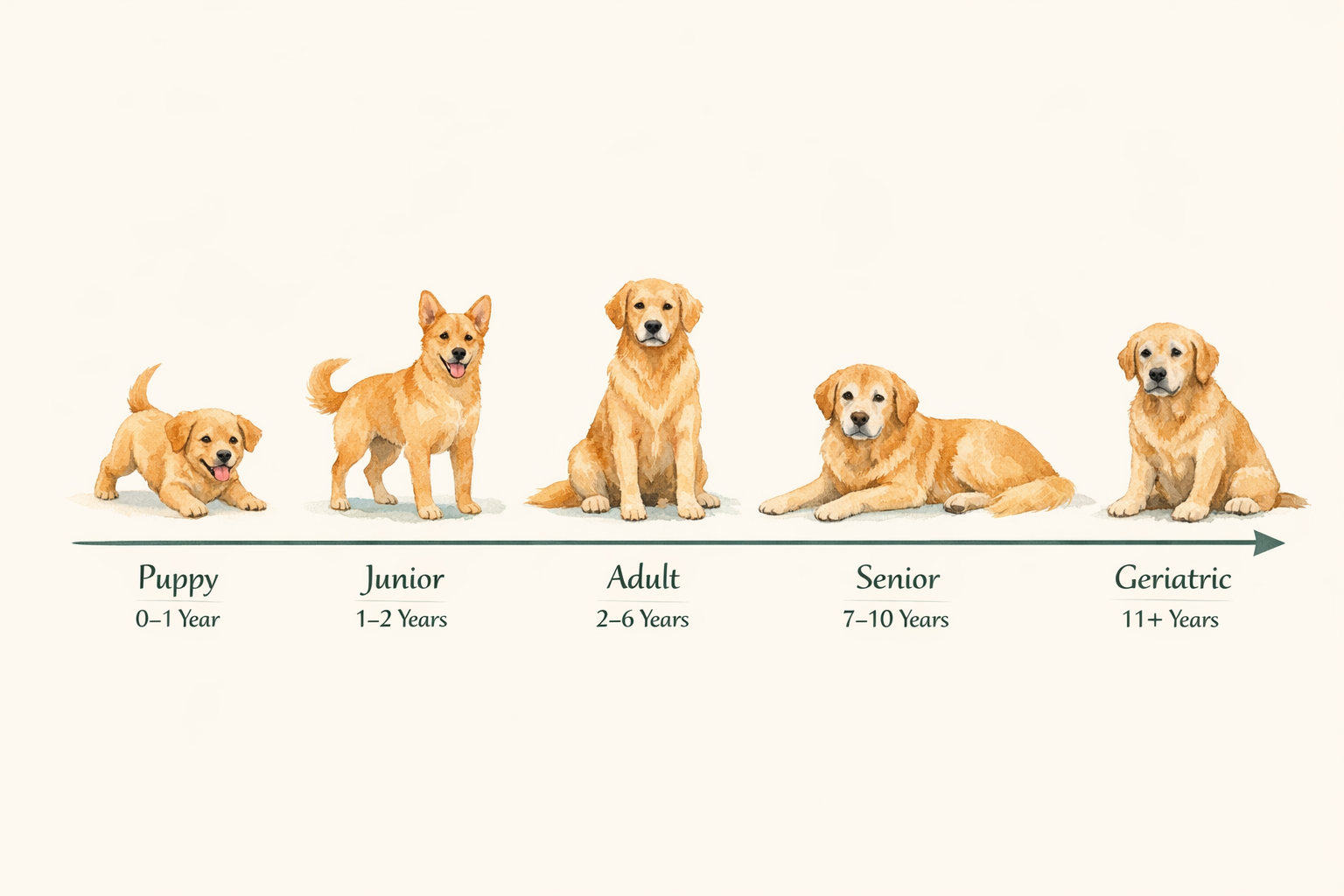
History & Characteristics
The Cavalier King Charles Spaniel’s story begins in the royal courts of Tudor and Stuart England. Toy Spaniels were fashionable pets among the English aristocracy from at least the 16th century, appearing in portraits alongside figures including Mary Queen of Scots. It was King Charles II (reigned 1660–1685) who became so famously devoted to these small, silky Spaniels that the breed bears his name. Charles II was reportedly never without his dogs — a diarist noted that the King “spent time in his bedchamber with his dogs” — and legend holds that he issued a royal decree permitting King Charles Spaniels entry into any public building in England, including Parliament.
Over the following century, fashion in England shifted toward flatter-faced, dome-headed dogs, and through crosses with Pugs and Japanese Chin, the breed’s muzzle grew shorter and its skull more rounded. By the Victorian era, the King Charles Spaniel (now known as the English Toy Spaniel in the United States) bore little resemblance to the longer-nosed dogs seen in 17th-century paintings. In 1926, American dog fancier Roswell Eldridge offered substantial prize money at Crufts for breeders who could produce “old type” Spaniels resembling those in the royal portraits — long-faced, flat-skulled dogs with a spot on the center of the forehead. British breeders responded to the challenge, and in 1928 a club was formed specifically for this revived type, which was named the Cavalier King Charles Spaniel to distinguish it from the shorter-faced King Charles Spaniel.
The AKC admitted the Cavalier to the Toy Group in 1996. Since then, the breed has risen steadily in popularity in the United States and now consistently ranks among the top 15 most registered breeds. The Cavalier is widely praised as an ideal companion dog and is used extensively as a therapy dog in hospitals, care homes, and schools.
The Cavalier weighs 5.4–8 kg (12–18 lbs) with a height of about 12–13 inches at the shoulder. The breed’s most celebrated physical feature is its silky, flowing medium-length coat, which comes in four AKC-recognized colors and patterns: Blenheim (rich chestnut on pearly white, with the distinctive “Blenheim spot” or lozenge marking on the crown), Tricolor (black and white with tan markings), Black and Tan, and Ruby (solid rich red). The large, round, dark eyes with their soft, melting expression, and the long, beautifully feathered ears framing the face are defining characteristics that give the Cavalier an expression of gentle, almost irresistible warmth.
Temperament & Personality
The Cavalier King Charles Spaniel is widely regarded as one of the finest companion dogs in existence — a characterization supported by generations of lived experience. The breed’s temperament combines the gentleness of a lapdog with the playfulness and curiosity of a Spaniel, producing a dog that is neither inert nor demanding, but pleasantly balanced.
Cavaliers are extraordinarily friendly. Unlike breeds that are selectively affectionate with their immediate family and guarded with strangers, Cavaliers tend to greet virtually everyone — family, visitors, strangers on the street — with the same open, tail-wagging enthusiasm. This makes them entirely unsuitable as guard dogs but extraordinarily easy to live with. They fit naturally into households with children, elderly family members, other dogs, and even cats.
The breed’s devotion to human companionship is its defining quality. Cavaliers are true “people dogs” — they want to be near their people, not merely in the same house. They will follow their owners from room to room, curl up in laps at every opportunity, and display visible anxiety when left alone. Separation anxiety is a genuine concern with Cavaliers, and owners who work long hours away from home should invest in gradual separation training from puppyhood and may need to arrange for midday company via dog daycare or a dog walker.
Despite the lapdog image, Cavaliers retain active Spaniel genes. They enjoy and benefit from daily walks and will enthusiastically pursue birds, butterflies, and interesting scents with a focus that can momentarily eclipse recall training. A securely fenced yard is advisable for any outdoor time. Cavaliers also respond well to training and can perform competitively in rally obedience and agility at recreational levels.
Health & Lifespan
The Cavalier King Charles Spaniel has an average lifespan of 9–14 years, with a median around 11.5 years. The breed’s health landscape is significantly shaped by two serious hereditary conditions that every prospective owner must fully understand before acquiring a Cavalier: Mitral Valve Disease and Syringomyelia.
Mitral Valve Disease (MVD) is the most prevalent and consequential health problem in the breed. The mitral valve — which separates the left atrium and left ventricle — degenerates over time, eventually allowing blood to flow backward (regurgitate) into the atrium with each heartbeat. The progression is relentless in affected dogs: a 2011 study found that approximately 50% of Cavaliers develop a detectable heart murmur by age 5, and by age 10 virtually all Cavaliers show some degree of mitral valve involvement. Early-stage MVD produces only a murmur with no clinical symptoms. As the disease progresses, affected dogs develop a cough (especially at night or with exercise), reduced exercise tolerance, difficulty breathing, and eventually congestive heart failure. Annual cardiac auscultation by a board-certified cardiologist is strongly recommended, beginning at age 1. Dogs with murmurs should receive echocardiography to assess severity and, when appropriate, begin cardiac medications that have been shown to slow disease progression. The Cavalier Health MVD Breeding Protocol — a voluntary program recommending that only dogs over 2.5 years old with clear hearts from parents who were also clear at older ages be used for breeding — represents the most effective current tool for reducing MVD prevalence in the breed.
Syringomyelia (SM) and Chiari-like Malformation (CM) constitute the breed’s second major health challenge. CM occurs when the rear of the skull is too small to comfortably contain the cerebellum, causing it to protrude into the spinal canal. This disrupts normal cerebrospinal fluid circulation, which in some dogs leads to the formation of fluid-filled cavities (syrinxes) within the spinal cord — a condition called Syringomyelia. Signs of CM/SM include neck and shoulder pain, phantom scratching (scratching at the neck or shoulder without contact), yelping without apparent cause, and in advanced cases, progressive neurological deficits. MRI is required for diagnosis. Treatment ranges from pain management with medications to surgical decompression in severe cases. The prevalence of CM in the breed is extremely high — MRI studies suggest that the majority of Cavaliers have some degree of skull conformation associated with CM, though not all develop clinical SM.
Eye diseases including cataracts, retinal dystrophy, and dry eye (keratoconjunctivitis sicca, or KCS) are reported in Cavaliers. Annual ophthalmic evaluations are recommended.
Given the near-universal cardiac involvement in this breed, weight management deserves special emphasis. Every pound of extra body weight increases the workload on a heart that is very likely already compromised. Keeping a Cavalier lean is one of the most concrete, actionable steps an owner can take to protect heart health and extend comfortable quality of life.
Frequently Asked Questions
Q: What is the average lifespan of a Cavalier King Charles Spaniel?
The Cavalier King Charles Spaniel has an average lifespan of 9–14 years, with a median around 11.5 years. The breed’s health landscape is significantly shaped by Mitral Valve Disease and Syringomyelia, making annual cardiac evaluations and weight management especially important for maximizing healthy life expectancy.
Q: Is a Cavalier King Charles Spaniel good for first-time owners?
The Cavalier King Charles Spaniel is an excellent choice for first-time owners because of its gentle, eager-to-please temperament and adaptability to many living situations. However, prospective owners must be fully informed about the breed’s serious hereditary cardiac and neurological conditions and be prepared for regular veterinary monitoring, including annual cardiac auscultation by a cardiologist.
Q: How much does it cost to own a Cavalier King Charles Spaniel per month?
Owning a Cavalier King Charles Spaniel typically costs $65–115 per month. Budget roughly $25–40 for food, $25–45 for pet insurance (strongly recommended given the breed’s cardiac risks), and $15–30 for supplies and grooming. Specialist cardiac evaluations add to annual healthcare costs as the dog ages.