History & Characteristics
The Shar-Pei is among the most ancient and most visually distinctive dog breeds in existence. Its name in Cantonese translates roughly as “sand-skin” — a reference to the breed’s uniquely coarse, bristly coat texture that feels almost abrasive to the touch. Artifacts and written records from the Han Dynasty of China (around 200 BCE) depict dogs resembling the modern Shar-Pei, suggesting a history spanning more than 2,000 years in the Guangdong province of southern China, where the breed was used for guarding, herding, and hunting.
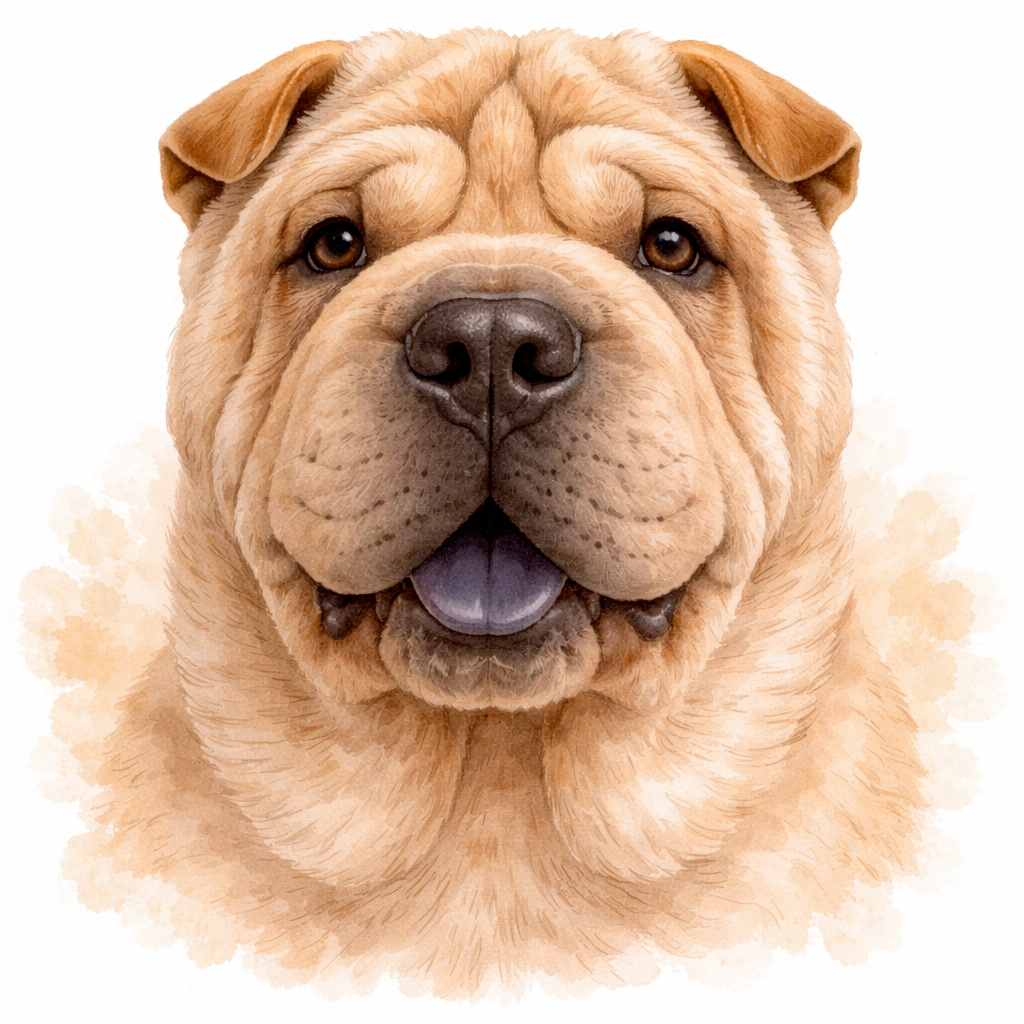
The Shar-Pei’s most famous physical attribute — the abundant loose skin and deep wrinkles — is believed to have been advantageous in dogfighting, a practice for which the breed was historically used. The excess skin allowed a dog to twist within an attacker’s grip and continue fighting without the bite reaching vital structures. The breed’s blue-black tongue, shared with the Chow Chow, is another ancient feature and likely indicates a common ancestry between the two breeds.
Following the establishment of the People’s Republic of China in 1949, private dog ownership was severely restricted on the mainland, and the Shar-Pei’s population collapsed to near extinction. In 1973, a Hong Kong breeder named Matgo Law published an appeal in an American dog magazine, requesting help from U.S. dog lovers to save the breed. The response was significant, and American breeders imported and began developing the Shar-Pei population that forms the basis of all Western breeding today. The Guinness World Records listed the Shar-Pei as one of the rarest dog breeds in the world during this period. The AKC granted full recognition in 1992, and the breed is classified in the Non-Sporting Group.
The AKC standard describes the Shar-Pei as a medium-sized dog with a square, compact body, large head with wide hippo-like muzzle, very small ears, and the characteristic loose skin that wrinkles most heavily over the head, neck, and withers. Adults stand 18 to 20 inches at the shoulder and weigh 45 to 60 pounds. Two coat types exist: the horse coat (extremely short and prickly, about one-half inch) and the brush coat (slightly longer, up to one inch). A third informal type — the “bear coat” with coat length over one inch — exists but is not recognized under the AKC standard. Colors include any solid color and sable.
Temperament & Personality
The Shar-Pei is a breed of remarkable character — dignified, independent, deeply devoted to its family, and characteristically reserved with strangers. This is not a dog that greets every passing person with tail wagging and solicited petting; it observes newcomers with a measured intelligence and grants its trust gradually and selectively. This trait makes the Shar-Pei a natural guardian but also means that socialization — the systematic exposure of puppies to a broad range of people, animals, and situations — is not optional but essential.
Within the family, the Shar-Pei shows its warmer side. These dogs form strong bonds with their primary caregiver and are quietly devoted companions that prefer to be in the same room as the people they love. They are not as overtly demonstrative as many breeds — a Shar-Pei is more likely to express affection by leaning against you than by jumping all over you — but the depth of their attachment is genuine. Most Shar-Pei are tolerant of children in their own family, though their patience has limits with rough handling. Households with very young children should always supervise interactions.
The breed’s attitude toward other dogs can range from tolerant to combative, and same-sex aggression is a documented tendency in the breed. Multi-dog households are possible but require careful matching and thoughtful management. Shar-Pei also tend to have a predatory drive toward small animals, so households with cats or small pets should proceed with caution and gradual introductions.
Trainability in Shar-Pei requires an honest conversation about expectations. These are intelligent dogs that understand quickly what is being asked of them — but whether they choose to comply is a separate question governed by their strong independent will. Positive reinforcement-based training works; confrontational or coercive methods do not and risk damaging the bond with this sensitive breed. Short, purposeful training sessions (5–10 minutes, twice daily) beat lengthy repetitive drilling. Establishing clear, consistent expectations from the earliest days of puppyhood, before the dog’s strong personality is fully formed, is the key to a well-mannered adult Shar-Pei.
Health & Lifespan
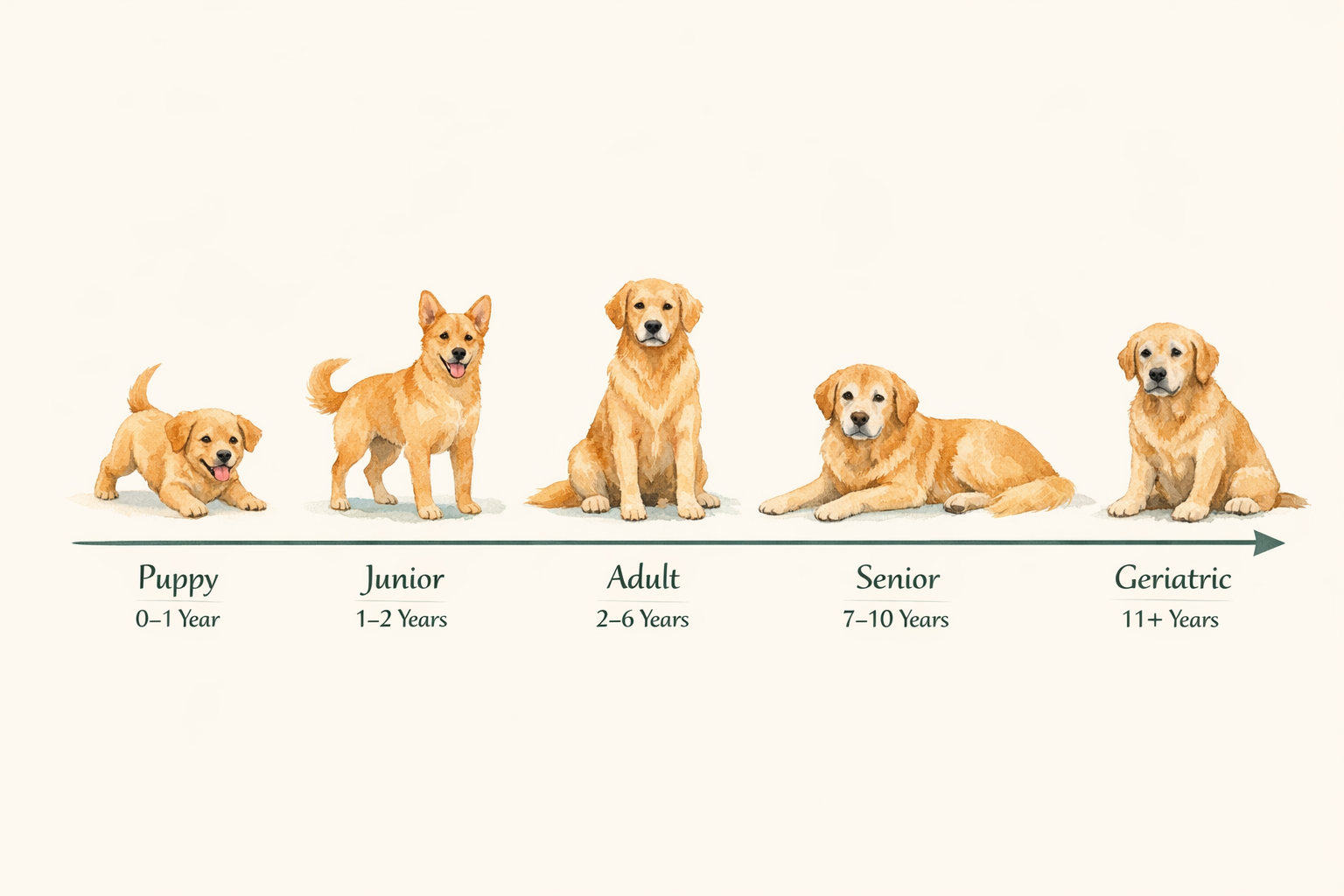
The Shar-Pei has an average lifespan of 10 years with a range of 8 to 12 years. The breed’s unique physical characteristics come with a unique set of health vulnerabilities, and owners should be prepared for a higher-than-average lifetime veterinary investment.
Skin fold dermatitis is the most consistently reported health problem in Shar-Pei. The deep skin folds across the face, muzzle, neck, and body create warm, moist microenvironments where bacteria and yeast thrive. Without regular cleaning and drying of the folds, infections develop rapidly. The preventive routine is non-negotiable: every fold must be gently opened, cleaned with a damp cloth or medicated wipe, and thoroughly dried daily. Bathing frequency should be moderate (roughly monthly) with a gentle, hypoallergenic shampoo. After every bath, drying the folds completely — including with a low-heat blow dryer — is critical. Shar-Pei also have elevated rates of environmental and food allergies that can exacerbate skin inflammation; consultation with a veterinary dermatologist is valuable in dogs with persistent skin problems.
Familial Shar-Pei Fever (FSF) is a hereditary autoinflammatory condition unique to the breed, with no equivalent in any other dog breed. Episodes consist of unexplained fever (often 104–107°F) lasting 12–36 hours, typically accompanied by swelling of one or both hock joints. The dog is visibly uncomfortable during episodes but generally recovers without specific treatment in most cases. The serious long-term risk of repeated FSF episodes is amyloidosis — the accumulation of amyloid protein in organs, particularly the kidneys. Kidney-derived amyloidosis in Shar-Pei is a leading cause of premature death in the breed, causing progressive renal failure in affected individuals. Colchicine is often prescribed to dogs with frequent FSF episodes to reduce the inflammatory burden and the rate of amyloid deposition. Owners should keep records of fever episodes and discuss a management plan with a veterinarian familiar with the breed.
Entropion — the inward rolling of the eyelid margin — results from the weight of facial wrinkles pulling the skin over the eyes. It causes chronic corneal irritation, pain, and if untreated, ulceration and scarring. Puppies with obvious eye-squinting or excessive tearing should be evaluated promptly. Many Shar-Pei require surgical eyelid correction, sometimes as young as 8–12 weeks, to protect vision during development.
Given the specific and often expensive health needs of this breed, pet health insurance is strongly recommended. Finding a veterinarian who has experience with Shar-Pei health issues — particularly FSF and skin fold management — is a meaningful advantage for any new Shar-Pei owner.
Frequently Asked Questions
Q: What is the average lifespan of a Shar-Pei?
The Shar-Pei has an average lifespan of 8–12 years, with a median around 10 years. The breed’s unique health challenges — particularly Familial Shar-Pei Fever, skin fold infections, and the risk of amyloidosis — make attentive veterinary care and early management of fever episodes especially important for supporting longevity.
Q: Is a Shar-Pei good for first-time owners?
The Shar-Pei is generally not recommended for first-time owners due to its independent, strong-willed nature and complex breed-specific health needs. The dog requires a confident handler, daily skin fold maintenance, a vet experienced with the breed, and a commitment to managing Familial Shar-Pei Fever proactively.
Q: How much does it cost to own a Shar-Pei per month?
Owning a Shar-Pei typically costs $85–145 per month. Budget roughly $35–55 for food, $30–50 for pet insurance (strongly recommended given the breed’s unique health conditions), and $20–40 for supplies including skin fold care products. Veterinary costs for this breed tend to be above average.