History & Characteristics
The Standard Poodle is one of the most recognizable and accomplished breeds in the world — a dog whose flamboyant grooming and association with luxury often overshadows its origins as a hardworking, water-retrieving gundog. The name “Poodle” derives from the German word “Pudel” or “Pudelin,” meaning “to splash in water,” and while France has long claimed the breed as its national dog, the Standard Poodle’s retrieving roots appear to trace back to Germany.
For centuries, Standard Poodles served as duck hunters across the wetlands of Europe. The elaborate clip patterns associated with the breed — retaining hair over the joints, chest, and hindquarters while trimming the rest — were not purely aesthetic choices. They were practical modifications that allowed the dog to move through cold water unimpeded while insulating the vital organs and major joints against the chill. Poodles also became famous circus performers throughout the 18th and 19th centuries, their extraordinary trainability making them natural entertainers in traveling shows across Europe.
The AKC recognized the Poodle in 1887. The Standard Poodle is the oldest and largest of the three AKC-recognized sizes (Standard, Miniature, Toy) and is classified in the Non-Sporting Group. According to the AKC standard, the Standard Poodle stands over 15 inches at the shoulder — most adults stand 21 to 27 inches — and weighs between 40 and 70 pounds. The body is squarely built, well-proportioned, and distinctly elegant. The coat is dense, curly or corded, and grows continuously rather than shedding seasonally, which makes the breed one of the most popular choices for owners with allergies. Colors include black, white, brown, apricot, silver, blue, gray, cream, and red. Poodles can also be parti-colored or phantom-patterned, though only solid colors are recognized in AKC confirmation competition.
Temperament & Personality
The Standard Poodle is widely considered one of the most intelligent dog breeds in existence. In Stanley Coren’s well-known ranking of canine intelligence, the Poodle stands second only to the Border Collie — capable of learning a new command in fewer than five repetitions and reliably following known commands on the first cue over 95% of the time. This cognitive capacity is not simply an ability to memorize commands; Standard Poodles demonstrate genuine problem-solving skills, remarkable emotional attunement, and an uncanny ability to read human social cues.
In family settings, Standard Poodles are affectionate, playful, and deeply connected to the people in their lives. They tend to be gentle and patient with children and sociable with other dogs, particularly when introduced in puppyhood. Their sensitivity to human emotion is notable — these dogs seem to register when a family member is sad, stressed, or unwell, and many owners report their Poodle moving closer or becoming quieter in response.
This same emotional sensitivity means Standard Poodles do not thrive in chaotic or neglectful environments. They benefit from consistency, calm leadership, and ample daily interaction. A Standard Poodle left alone for long periods without mental and physical stimulation may develop boredom-related behaviors such as chewing, barking, or repetitive pacing.
From a training perspective, owning a Standard Poodle is among the most rewarding experiences in the dog world. The breed excels at competitive obedience, agility, rally, tracking, scent work, and dock diving. Their motivation is broad — food rewards, play, and verbal praise all work well — and their attention span is impressive. The consistent, gentle, and varied approach to training that works best can make sessions feel more like collaboration than instruction.
Health & Lifespan
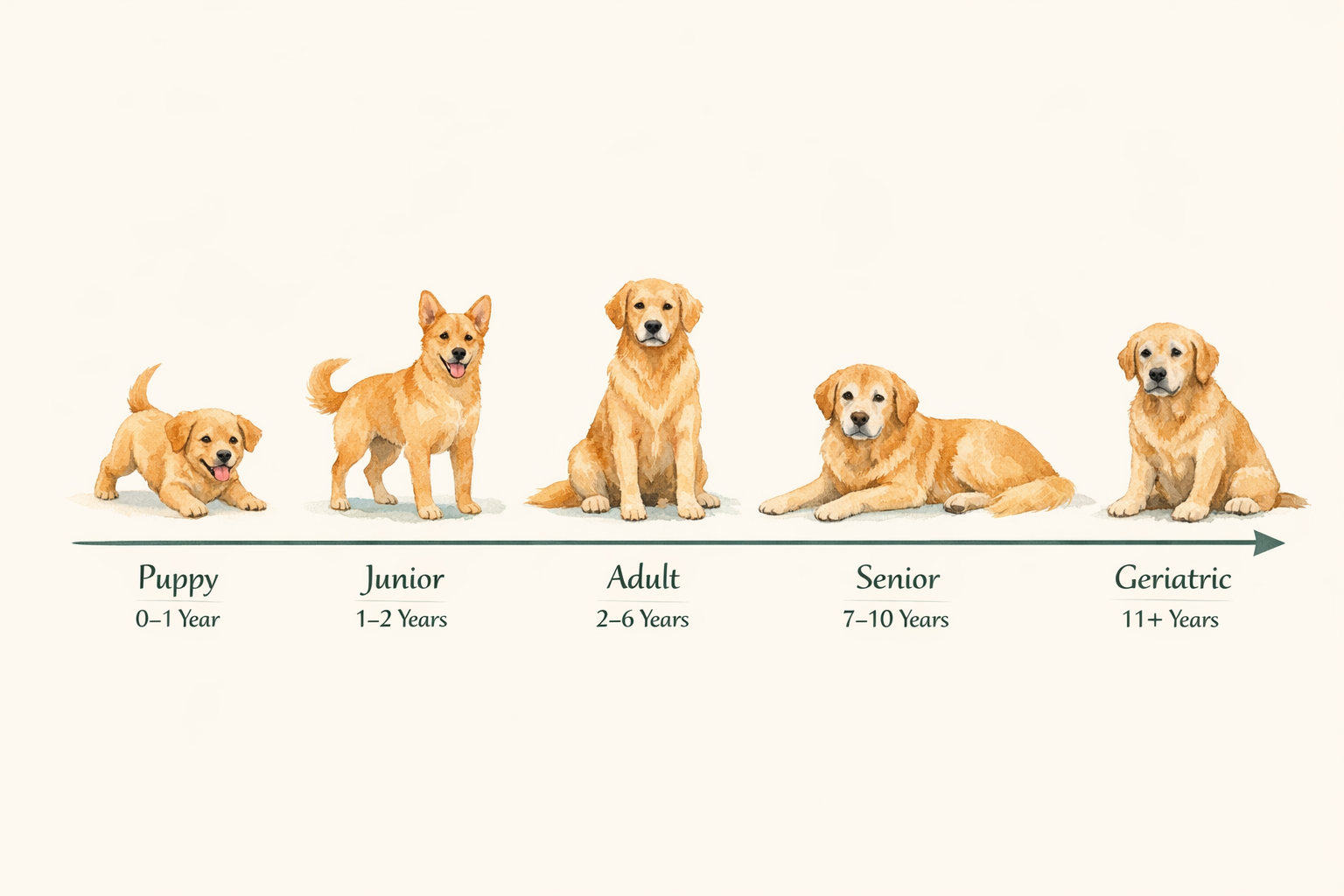
At an average lifespan of 13.5 years with a range of 12 to 15, the Standard Poodle lives considerably longer than most breeds of comparable size — a testament to the breed’s generally sound constitution. Three health conditions appear at elevated rates and should be part of every owner’s health management plan.
Progressive retinal atrophy in the Standard Poodle involves the prcd-PRA and other mutations that cause the rod cells in the retina to degenerate progressively from the periphery inward. Night blindness is typically the first sign, followed by loss of peripheral vision and eventually complete blindness. DNA testing is commercially available and allows breeders to avoid producing affected puppies. Reputable breeders provide PRA test results for both parents. Ask to see documentation before choosing a puppy, and schedule annual CAER eye examinations with a veterinary ophthalmologist.
Addison’s disease (hypoadrenocorticism) is one of the most discussed health concerns in Standard Poodles, which are substantially overrepresented in the affected population. The adrenal glands fail to produce adequate cortisol and aldosterone, leading to a constellation of symptoms including intermittent weakness, vomiting, diarrhea, shaking, and loss of appetite. An acute Addisonian crisis — sometimes triggered by stress — can be life-threatening. Diagnosis is confirmed by an ACTH stimulation test. Once identified, the condition is managed long-term with hormone replacement therapy, which enables a good quality of life. Owners who notice recurring episodes of weakness or GI upset that resolve on their own should discuss screening with their veterinarian.
Hip dysplasia in Standard Poodles is less severe on average than in many large working breeds, but it is present in a meaningful percentage of the population. OFA hip evaluations on breeding dogs reduce generational risk. Maintaining a lean body weight throughout life, feeding a diet appropriate for large-breed puppies during growth, and avoiding high-impact exercise on hard surfaces during the first 18 months of life all contribute to hip joint health.
Regular veterinary checkups, maintaining an appropriate weight, keeping the curly coat properly groomed (professional trimming every six to eight weeks), and providing daily exercise and mental enrichment are the practical keys to a long, vibrant life for a Standard Poodle.
Frequently Asked Questions
Q: What is the average lifespan of a Poodle (Standard)?
The Standard Poodle has an average lifespan of 12–15 years, with a median around 13.5 years — exceptional for a large breed. The breed’s clean, hypoallergenic coat and robust working dog constitution contribute to this longevity, supported by regular veterinary care and Addison’s disease awareness.
Q: Is a Poodle (Standard) good for first-time owners?
The Standard Poodle is an outstanding choice for first-time owners who want a large, intelligent, and highly trainable breed. Poodles are athletic, emotionally perceptive, and excel at virtually all dog sports — owners should be prepared for the recurring cost of professional grooming every 6–8 weeks and the breed’s need for daily mental and physical engagement.
Q: How much does it cost to own a Poodle (Standard) per month?
Owning a Standard Poodle typically costs $110–190 per month. Budget roughly $50–80 for food, $35–60 for pet insurance, and $25–50 for supplies. Professional grooming every 6–8 weeks is a significant recurring cost that should be factored into the overall budget.