History & Characteristics
The Akita is one of the most ancient and revered dog breeds in the world, originating in the mountainous Akita Prefecture of northern Japan. Designated a national monument by the Japanese government in 1931, the Akita belongs to a group of six native Japanese breeds that have been preserved for centuries. Archaeological evidence suggests that large dogs resembling the Akita lived alongside humans in Japan as far back as the Jomon period, thousands of years ago.
Historically, the Akita — then known as the Akita Matagi — was used by skilled mountain hunters to track and hold large game including bear, deer, and wild boar in the rugged terrain of northeastern Japan. The breed’s fearlessness, stamina, and endurance in harsh winter conditions made it an indispensable working partner. During the Meiji era, the breed underwent some crossbreeding with larger Western breeds for use in dog fighting, but dedicated preservation efforts in the Taisho era restored the Akita to its original form.
The breed became internationally famous through the story of Hachiko, an Akita who waited faithfully at Tokyo’s Shibuya Station for his deceased owner for nearly ten years. This legendary display of loyalty cemented the Akita’s reputation as the ultimate symbol of devotion. After World War II, American servicemen brought Akitas back to the United States, where a distinct American-style Akita eventually developed alongside the traditional Japanese type. Today, the AKC recognizes the Akita in its Working Group, and the breed enjoys popularity worldwide.
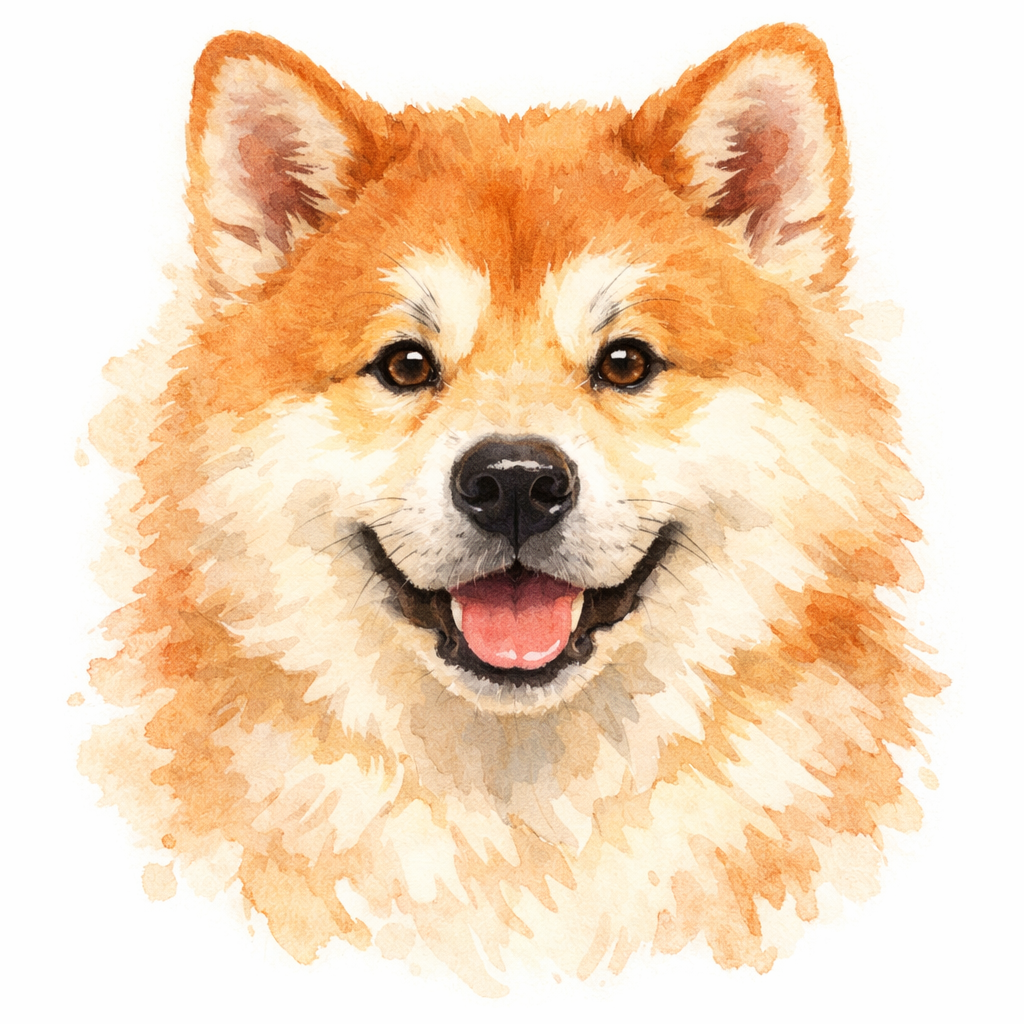
Physically, the Akita is a large, powerfully built dog weighing 34–50 kg (75–110 lbs) with a height of 61–71 cm at the shoulder. The breed is defined by its thick double coat, which comes in colors including red, white, brindle, and sesame. The famously curled tail carried over the back is one of its most recognizable features. The Akita’s broad, bear-like head, deep-set triangular eyes, and erect triangular ears give it a dignified, commanding presence that is unmistakable.
Temperament & Personality
The Akita is often described with the Japanese phrase “chinchaku reisei” — calm, composed, and collected. This breed is not prone to excessive barking or hyperactivity; instead, it observes its surroundings with quiet, steady attention. When circumstances demand it, however, the Akita displays the same bold courage that made its ancestors legendary hunting dogs.
Loyalty to family is the Akita’s defining trait. This is a breed that bonds deeply and sincerely with its people, often choosing one primary person to whom it shows the greatest devotion. This loyalty is selective rather than indiscriminate — Akitas tend to be reserved or cautious with strangers and may show dominance toward other dogs, particularly those of the same sex. Early, consistent socialization is essential to help the Akita develop appropriate responses to unfamiliar people, animals, and situations.
Despite their independent spirit, Akitas are sensitive to family dynamics and crave meaningful time with their people. They do not thrive when left alone for extended periods. Akitas are best suited to experienced dog owners who understand the breed’s strong-willed nature and who can provide firm, consistent leadership using positive reinforcement methods. Harsh training methods are counterproductive with this breed, eroding trust rather than building compliance.
With children in the household, an Akita that has been raised with them from puppyhood generally bonds strongly and behaves gently. However, due to their large size and independent character, all interactions between Akitas and young children should be supervised by adults.
Health & Lifespan
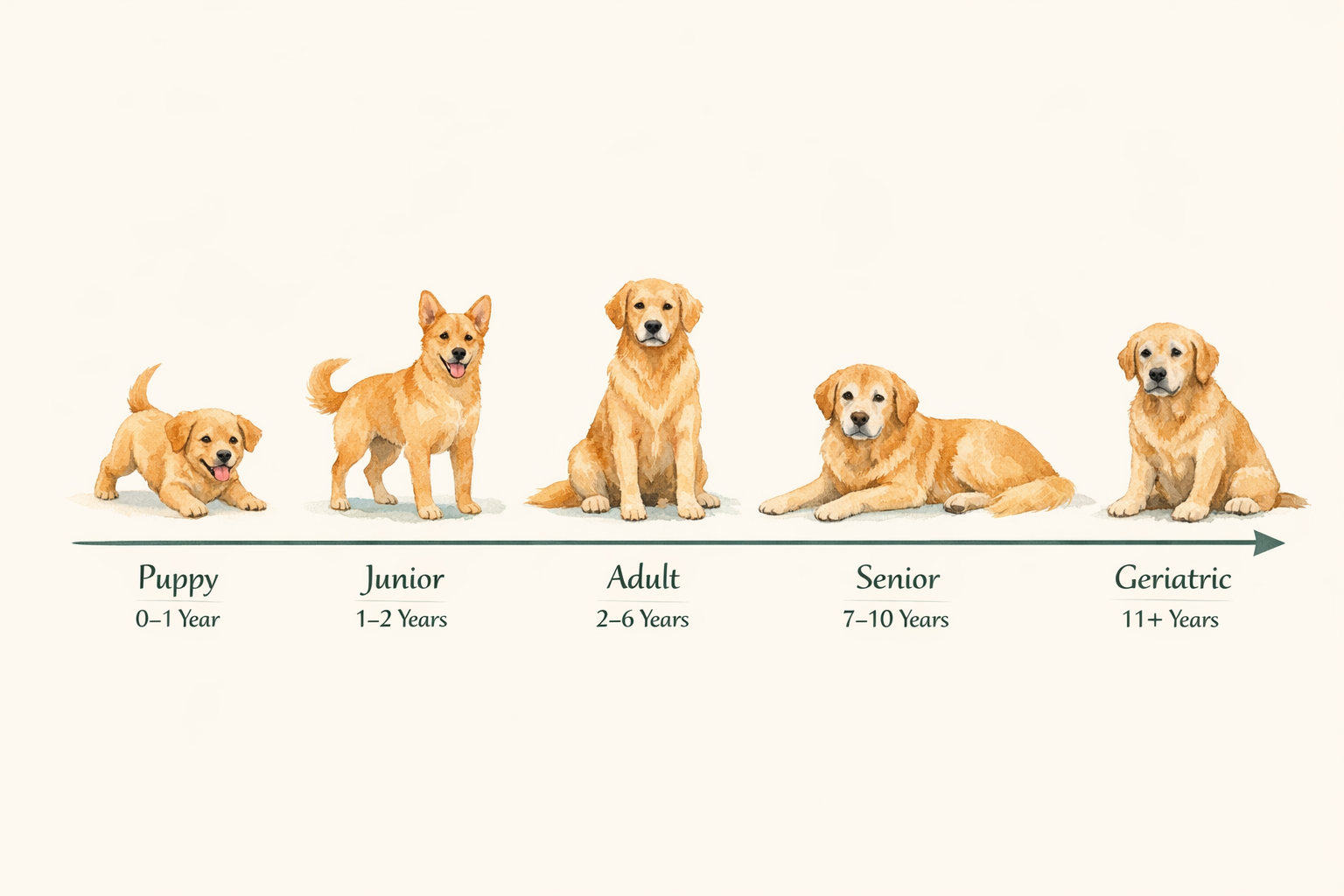
The Akita has an average lifespan of 10–13 years, with a median around 11.5 years — typical for a large breed. With attentive health care, regular veterinary checkups, and appropriate exercise and nutrition, many Akitas live full, healthy lives well into their early teens.
Hip Dysplasia is the most significant orthopedic concern for Akitas. This hereditary condition occurs when the hip joint does not develop properly, leading to instability and eventual arthritis. Warning signs include a swaying gait, reluctance to exercise, difficulty rising, and a bunny-hopping run. Owners can reduce risk through maintaining a lean body weight, avoiding high-impact exercise in puppies, and choosing breeders who screen for hip health using OFA (Orthopedic Foundation for Animals) or PennHIP evaluations.
Hypothyroidism tends to emerge in middle-aged to senior Akitas, typically between 4–10 years of age. Affected dogs may gain weight, become lethargic, and develop skin and coat changes including hair thinning and a dull, dry texture. Diagnosis is confirmed through blood tests measuring thyroid hormone levels (T4 and TSH). Treatment with daily thyroid hormone supplementation is highly effective and typically required for life.
Eye conditions, particularly progressive retinal atrophy (PRA) and cataracts, are reported in the Akita. PRA causes gradual deterioration of the retina’s light receptors, beginning with night blindness and potentially progressing to full blindness. Genetic screening is available and recommended for breeding dogs. Cataracts can be hereditary or age-related and, when advanced, can be surgically treated. Annual ophthalmic examinations help with early detection.
Owners should also be aware of bloat (gastric dilatation-volvulus), a life-threatening emergency more common in large, deep-chested breeds. Feeding two smaller meals per day instead of one large meal, using a slow-feeder bowl, and avoiding vigorous exercise immediately after eating are all recommended preventive measures. Establishing a relationship with a veterinarian experienced with large breeds and committing to annual health screenings is the most effective strategy for keeping an Akita healthy for as long as possible.
Frequently Asked Questions
Q: What is the average lifespan of an Akita?
The Akita has an average lifespan of 10–13 years, with a median around 11.5 years — typical for a large breed. With attentive health care, regular veterinary checkups, and appropriate exercise and nutrition, many Akitas live full, healthy lives well into their early teens.
Q: Is an Akita good for first-time owners?
The Akita is generally not recommended for first-time dog owners due to its strong-willed, independent nature and tendency toward dominance with other dogs. This breed requires an experienced handler who can provide firm, consistent leadership and early socialization to channel its loyalty and natural guarding instincts appropriately.
Q: How much does it cost to own an Akita per month?
Owning an Akita typically costs $110–190 per month. Expect to spend roughly $50–80 on high-quality food for this large breed, $35–60 on pet insurance (important given hip dysplasia risks), and $25–50 on supplies, grooming, and routine care.